
Water, Sewer and Storm Connections for a New Home in Vancouver and Burnaby
Every new home needs three pipes from the street: a water service, a sanitary sewer connection for toilets, sinks and drains, and a storm connection for rainwater and foundation drainage. Homeowners often don’t think about them until a fee estimate arrives, yet they can be one of the larger single line items in a rebuild budget and they need their own permits and timing.
This guide explains how servicing works for a new house, duplex, laneway home or multiplex in Vancouver and Burnaby: who does what, which permits you need, what the City charges and how to keep connections from delaying your build.
Who is responsible for which part
Think of each service in two halves, split at your property line:
| Part of the service | Who handles it | Permit |
|---|---|---|
| Main in the street to the property line (water, sanitary, storm) | The City’s Engineering department approves and controls this work; you pay the fee or cost | Sewer and water connection permit (Engineering) |
| Water meter | Installed as part of the new water service | Included with the water connection |
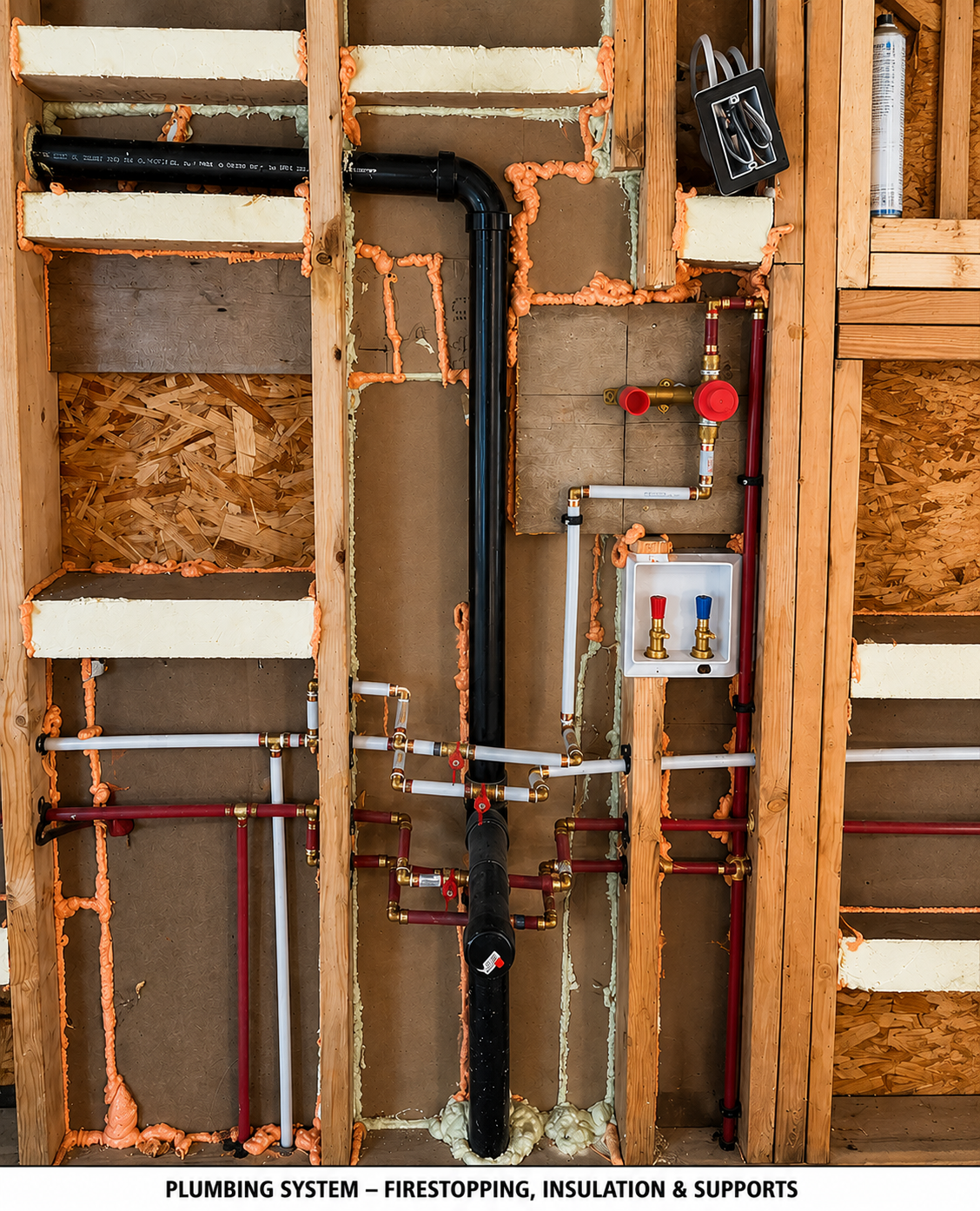
| Property line to the house (on-site services) | Your builder’s licensed plumbing contractor | Plumbing permit, inspected by the City |
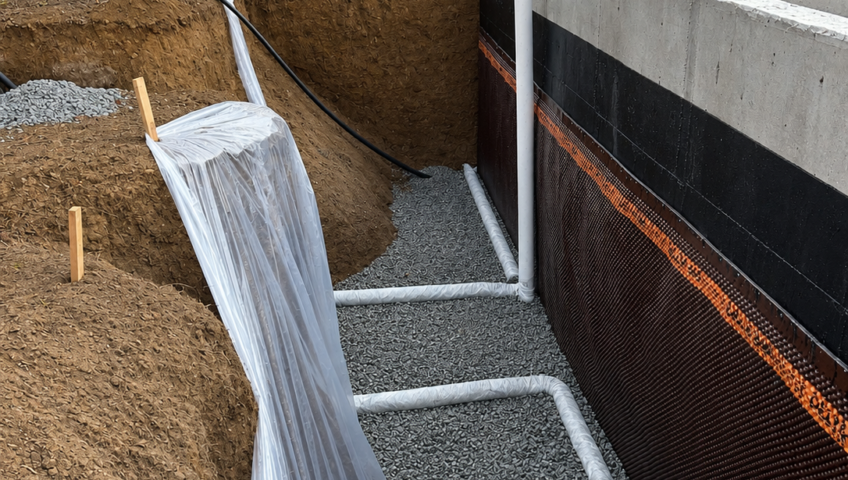
| Foundation drains, sumps, rainwater leaders | Your builder and plumber, to the approved design | Building and plumbing permits |
When an old house is demolished, its existing connections are normally disconnected or replaced. Vancouver’s water connection guidance for larger buildings says plainly that all existing servicing is discontinued when the new service goes in, and a new or rebuilt home in Vancouver must have a water meter (required for new single- and two-family homes since 2012).
How it works in Vancouver
The City of Vancouver says you need sewer and water connection permits before you can connect your site to its systems. How you apply depends on the building type:
- Single detached house (with or without a laneway house and suite), duplex, or laneway house: one combined residential sewer and water permit.
- Multiplex and larger buildings: two separate commercial permits, because larger connections are required. For these, the City’s water connection procedure calls for a registered mechanical engineer to design the service and meter, with a site plan and configuration drawing reviewed before the permit is issued. Each legal lot gets one water service and one meter.
What the City charges (approximate, 2026)
Vancouver uses flat rates for single detached houses and duplexes and charges larger projects “at cost.” The figures below come from the 2026 utility fee reports presented to Council in November 2025, effective January 1, 2026 if approved:
| Connection | Single detached house or duplex | Other buildings (e.g. multiplex) |
|---|---|---|
| Water, 25 mm (1″) | about $11,520 | about $14,059 |
| Water, 40 mm (1 ½”) | about $13,852 | about $17,644 |
| Sewer connection | about $21,656 flat fee (includes a non-refundable $2,200 application fee) | Billed at cost |
Two points worth knowing. First, the sewer flat fee only holds when the work is routine: if the City’s installation cost would exceed about 1.15 times the flat fee, it bills at cost instead. Second, these fees rose about 16% for houses and duplexes from 2025 to 2026, so an older estimate may be out of date. If your home will have fire sprinklers, they can affect the size of water service you need, so your designer should confirm the size before you apply.
Vancouver also has rainwater management requirements: the City says most new buildings require on-site rainwater management as of July 1, 2025. Ask your designer how this applies to your lot, since it can affect the storm design and landscaping.
How it works in Burnaby
Burnaby follows a slightly different order, and Engineering is involved earlier:
- Engineering pre-application review. Before applying for a building permit on an R1 lot, you need Engineering pre-application approval. The package includes a topographic survey and a proposed driveway drawing; the City says complete submissions typically take about 15 business days to review. The resulting report becomes part of your building permit application.
- Off-site servicing. If off-site servicing is needed, Burnaby requires a cash-in-lieu contribution to City infrastructure with the building permit, based on Engineering unit rates. Projects with four or more primary units follow the City’s Servicing Improvements Guide.
- Building permit, then plumbing permit. A building permit must be issued before any plumbing permit. Since 2017, a plumbing permit is required for on-site services (water, sanitary, storm, sumps, catch basins and associated piping) at single- and two-family homes, and the contractor must get it before applying to Engineering for the sewer connection permit.
- Sewer connection permit. Storm and sanitary connection permits come from the Engineering Department. When applying, confirm the connection inverts (depths) are low enough to drain your foundation drain to the storm sewer and your building drain to the sanitary sewer.
- Water service. Engineering must be consulted if a new water service is needed; services larger than 20 mm (¾”) may need an estimate.
Burnaby staff advise on damage deposits and engineering servicing fees during review, so ask for those numbers early. The City’s single- and two-family guide lists servicing inspections such as foundation and roof drainage, sanitary sewer (after the pipes are laid, bedded and water-tested), and storm sewer, usually done together with the sanitary inspection.
The depth problem: when gravity doesn’t work
A common surprise is the depth of the City sewer compared with your basement. If the street sewer is too shallow for the lowest floor or the perimeter drains to flow by gravity, you may need a sump and pump, which adds equipment, electrical work and maintenance. Burnaby specifically asks you to check inverts at the connection permit stage for this reason. In both cities, the depth of the existing services is worth confirming during design, before you lock in a basement floor level.
What this means for your project
- Budget for servicing as its own line. In Vancouver, a house or duplex can face more than $30,000 in combined water and sewer connection fees before any on-site plumbing (approximate, 2026). Multiplexes are billed at cost and can be higher.
- Check existing services early. Your survey and design team should locate the existing connections and the main depths before the floor plan is final.
- Talk to BC Hydro too. Burnaby says it is your responsibility to contact BC Hydro before submitting a development application, and projects with more than three units may need space reserved for a transformer.
- Sequence the permits. Servicing permits run alongside the building permit, not after it. Leaving them late is a common cause of avoidable waiting.
- Keep the timeline in perspective. On a straightforward lot, construction takes about 10 months from foundation to finish once permits are in hand; design and permitting come before that.
Related reading
- The building permit process in Vancouver and Burnaby, step by step
- Demolition before you rebuild: Vancouver and Burnaby rules explained
- How many homes can I build on my Burnaby lot?
- Laneway house cost in Burnaby: a realistic budget breakdown
- Building inspections for a new home in Vancouver and Burnaby
Not sure what servicing your lot will need, or how deep the City sewer is on your street?
Sources
- City of Vancouver: Sewer and water connection permits
- City of Vancouver: Water connection permitting procedure and submittal requirements (PDF)
- City of Vancouver: 2026 waterworks fee report to Council, November 2025 (PDF)
- City of Vancouver: 2026 sewer fee report to Council, November 2025 (PDF)
- City of Vancouver: Accelerated city-wide water metering
- City of Vancouver: Rainwater management on private property
- City of Burnaby: Everything you need to know to build new homes in Burnaby
- City of Burnaby: Permits and inspections for new single and two family dwellings (PDF)
- City of Burnaby: Plumbing permit for on-site services bulletin (PDF)
Fees and figures are approximate and change every year. Confirm current connection fees and servicing requirements for your property with your municipality.

Related Posts


2 Comments
Comments are closed.




Recent Works


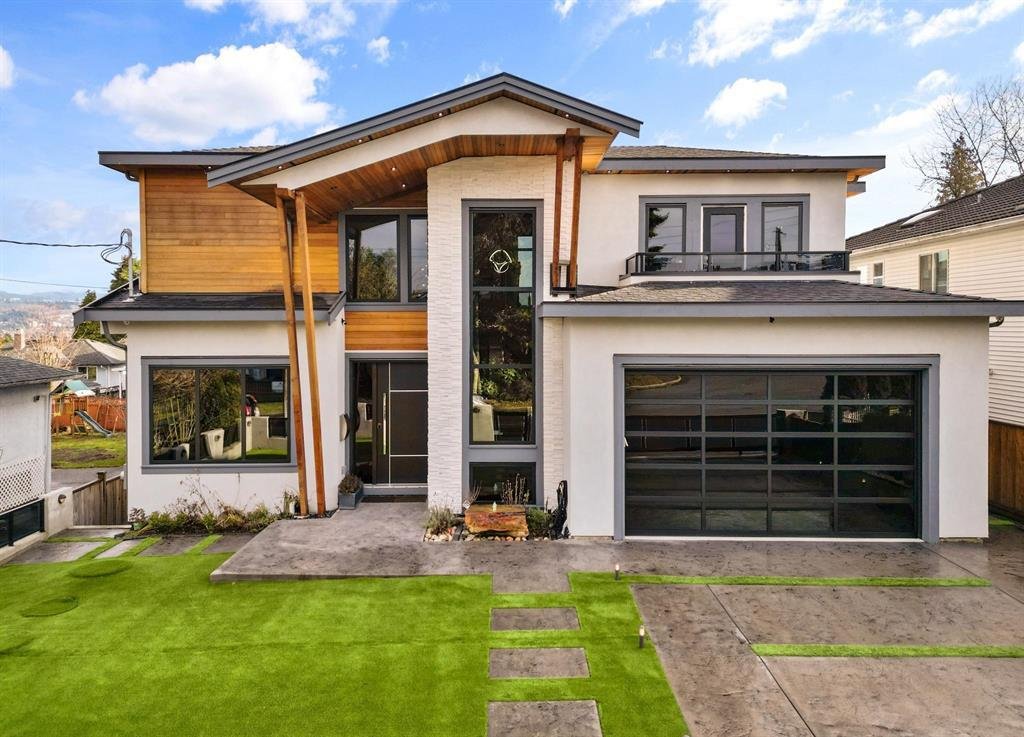

[…] Water, sewer and storm connections for a new home […]
[…] Service connections: water, sewer and storm connections from the street. See water, sewer and storm connections. […]